Quick Guide to Identify Slipped or Bulging Disc
October 27, 2025 by adminOffice workers are trained on data up to October 2023.
Slipped or Bulging Disc Detection for Office Workers: A Quick Guide
Introduction
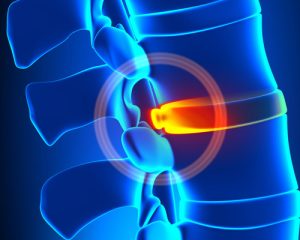 Sitting for prolonged periods at the office is a common practice nowadays and for a lot of people, back pains are the most frequent problems caused by such work environment. A slipped or bulging disc is a condition that might sometimes be the reason for discomfort in your back if you are a six-hour-a-day sitter. The guide is aimed at 25-55-year-old office workers and it offers a self-assessment method to recognize early signs of disc issues. Again, the guide is not a replacement of professional medical advice; rather it helps in suggesting when to go for further evaluation.
Symptom Checklist: What to Look For
Before jumping into self-assessment, it is a good idea to learn about the common symptoms frequently found with slipped or bulging discs. The checklist below will help you keep an eye on your condition:
- Localized Back Pain: Continuous or occasional pain in the lower or upper back that might get worse when one is sitting down for a long time.
- Sciatica-like Pain: Pain that is sharp or shooting and that goes from the lower back to the buttocks and legs.
- Numbness or Tingling: The feeling of pins and needles, particularly in the legs or feet, which might be a sign that a nerve is involved.
- Muscle Weakness: A decline in strength in the legs or arms that is evident and that makes daily activities harder.
- Stiffness and Reduced Mobility: The impression of being stiff when one moves, especially after sitting or being inactive for a long time.
- Pain Worsening with Movement: Discomfort that is worse when one is bending forward, twisting, or lifting things.
Step-by-Step Self-Assessment Guide
Implement these simple but important steps in your daily life to help you check if your back pain is connected with a slipped or bulging disc:
Step 1: Note Your Daily Activities
Maintain a straightforward record of your daily activities, marking any long periods of sitting or other actions. This logging can play a crucial role in revealing the connections between your back pain and certain activities. Time your sitting, any breaks you take and also, record the time and place when you feel the pain and discomfort.
Step 2: Evaluate the Pain Location and Intensity
With the help of the symptom checklist, think about the following queries:
- Is the pain situated in the lower back or upper back?
- Does the pain spread down to your legs or arms?
- How would you rate your pain at different times (in sitting, standing, moving for example) on a scale of 1-10?
By logging your pain intensity and rhythm, you will be able to tell whether the pain is more consistent with disc-related problems or perhaps other sources of irritation.
Step 3: Check for Neurological Symptoms
Examine if you have any numbness, tingling, or muscle weakness. To perform this:
- Numbness/Tingling: Lightly press with your finger along your back and legs to feel if there are spots with diminished sensation.
- Muscle Strength: Do a simple test by getting up and walking around for a few minutes to see if there is any change in your movement or balance.
If you experience continuous numbness or tingling, it might be best to get a healthcare professional’s opinion.
Step 4: Observe Changes in Movement and Flexibility
The flexibility of your body is lessened in the case of a bulging or slipped disc; thus, you should observe the following:
- Flexibility Test: Gradually bend your body forward, backward, and sideways. Check if there is one particular movement that causes more pain or discomfort than the others.
- Check Stiffness: If you have been sitting for a long time, then stand up and see if your body feels very stiff and you are having trouble moving smoothly. You might also want to stretch at this time and see if the stretching causes pain.
Step 5: Reflect on Your Posture and Seating Arrangements
If you have a poor posture when sitting at work, then it surely contributes to the up-and-down phase of your back pain. Bring up the following issues for discussion:
- Ergonomics: Is the arrangement of your workstation such that it would not be very difficult for you to keep a good posture? Bad ergonomics might be one of the factors that lead to disc problems.
- Seating Position: Are you the type that slouches or leans to one side while working?
Being conscious of and constantly reminding yourself to sit straight and use back support will give your spine less stress and thus reduce pain.
Step 6: Track Your Pain Over a Week
A single day of discomfort should not be a basis for concluding. Observe your symptoms over the week:
- Each day note down the strength, place, and how often you felt pain.
- Also, mention what activities, if any, led to the pain and if taking a break or stretching was of help.
- Do the symptoms remain the same or is there an increase in severity gradually?
This observation period will give you more reliable information on whether your back pain is temporary or it is a sign of a more persistent disc problem.
Conclusion
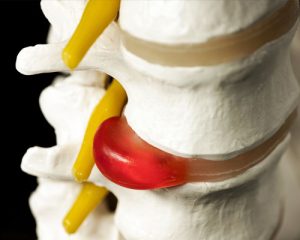 Pain in the back in the workplace is a frequent issue that must be given a lot of attention. The self-assessment steps outlined in this guide were meant to be practical and easy to follow in order to help among other things to find out whether your back pain is maybe related to a slipped or a bulging disc. By doing the following, you are not only taking proactive steps but also marking the beginning of an early issue identification process: noting down your routine, assessing your pain’s intensity, looking for neurological symptoms, watching your movements, and considering the ergonomics of your workspace.
On the contrary, if your self-assessment points to the symptoms that are either persistent or worsening, you might want to consult your healthcare professional with whom you could share your findings and who then would be able to take you through another evaluation and suggest proper treatment options. Moreover, remember that early intervention and changes in lifestyle can dramatically cut the frequencies of chronic pain and, consequently, enhance the overall quality of life. Your health is your priority, so gradually but consistently change your daily habits, and stay updated on how to be safe and maintain a good back during long office hours.
Following this guide, you are taking not only the first step towards better spinal health but also the empowerment of being a well-informed person in health matters. Be proactive and pay attention to your body—it is your best friend in keeping a living style of health and activity.