An overview of tramadol and its usage in pain management and future perspective
May 8, 2026 by admin The past few years have brought about major changes in the way pain is treated, with the focus being more on the use of the different therapies together in a way that they will be more effective and at the same time cause less side effects. One of the painkillers that have got a lot of interest is Tramadol which is an opioid analgesic with a peculiar mechanism of action; for its potential role in these multisided pain management strategies. The purpose of this article is to find Tramadol’s position in the middle of the multimodal pain management and to investigate its pharmacological profile, benefits, and comparative effectiveness against conventional analgesics. Furthermore, we will talk about the recommendations for its use, factors influencing patient selection, and future trends in pain management so that you get a complete view of how Tramadol can help to improve patient outcomes when used with other drugs in the context of multimodal therapy.
Tramadol’s Place in Multimodal Pain Management Strategies
A Short Overview of Pain Management with Different Modalities
Defining and Significance of Multidisciplinary Approaches
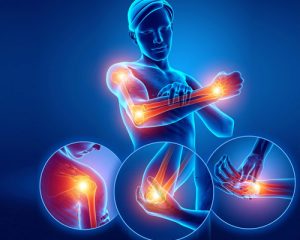
Multimodal pain management is more than a buzzword; it is a smart and well-rounded strategy to alleviate pain from all sides. This method, instead of fixing all the pain with just one medication, combines different therapies; medications, physical therapy, and even mindfulness techniques, for instance, and customizing care for each patient’s needs. What is the significance? By working on the different pain pathways at the same time, we can improve the efficacy and at the same time cut the side effects. It’s like inviting all your favorite friends (painkillers, therapies, and support) to the party instead of just one odd guest.
Current Trends in Pain Management
Pain management in the 21st century is moving towards a holistic approach. Opioid usage is dropping (due to the risks of addiction, of course) and there is a greater focus on patient-specific treatment plans. The use of alternative therapies such as acupuncture and cognitive behavioral therapy? Absolutely! The aim is to equip the doctors with a variety of tools by setting up a balanced toolkit that attacks pain from different sides, allowing patients to experience the relief they need without compromising their dignity and quality of life. The world of pain management is, in fact, changing and it is as thrilling as a cat video on a Tuesday morning!
Overview of Tramadol: Mechanism of Action and Indications
Pharmacological Profile of Tramadol
Tramadol, which is tramadol when one wants to be formal, has an interesting pharmacological profile as it is a weak opioid analgesic and also a S/NE reuptake inhibitor. It is very much like tramadol does not play the opioid card but uses it to help elevate the mood and lessen the pain signals in the brain. The ability to perform multiple tasks at the same time makes Tramadol a very good choice for treating moderate to severe pain and it is also a nice alternative for those who do not want to deep dive into the sea of stronger opioids. Just think of it as a compact yet effective pain management Swiss Army knife.
Indications for Use in Pain Management
Tramadol is usually prescribed for a wide range of pain conditions, be it the discomfort of surgery, chronic back pain, or even the kind of pain that one suffers from when their favorite show ends. Due to its unique mechanism, it can be a first-line option for those who might have doubts about the traditional heavy-hitters like morphine. Moreover, the relatively low risk of dependence associated with it makes it a suitable choice for patients who are already in the chronic pain scenario and are not willing to bear the extra burden of getting addicted or developing a psychological dependency.
Benefits of Incorporating Tramadol in Pain Management
Enhanced Pain Control
Navigating through effective pain management solutions sometimes feels like an impossible task: one has to go through the whole array of the less effective but more tolerable options or vice versa. However, Tramadol is definitely the winner in this evoking arena, as it comes up with huge pain relief and no less intimidating side effects compared to some other opioids. Patients’ reports of pain control being more consistent and tolerable are nothing but positive and result in an overall improved quality of life. It is like having a trustworthy companion who always comes along and even brings goodies to the gathering.
Opioid Use Reduction
The time has come when doctors are very conscious of the negative aspects of opioid use. Therefore Tramadol’s patient-oriented treatment allows doctors to cut the overall intake of opioids gradually, where, however, the patient will not lose the relief. In other words, the patient gets the full management of pain without going through the ups and downs of a rollercoaster ride. It’s a win-win—moreover, patients get relief from pain while the risk of dependence is reduced—this is practically an act of magic in the medical world.
Comparative Effectiveness of Tramadol vs. Traditional Analgesics
Clinical Studies and Evidence Base
Research comparing Tramadol to classic medications shows it is able to stand its ground quite often. The studies reveal that Tramadol gives similar pain relief as some stronger opioids but with the lightest side effects. Thus, this evidence opens a new window dealing with pain for those patients who are looking for less traditional pain killers. Nevertheless, who is still on the safer side or not? Tramadol will not be jack-in-the-box as a miracle cure but certainly not behind the dark board in the pain management lineup with all the reputable challengers.
Patient Outcomes and Satisfaction
When the issue is very practical, the patient satisfaction is the number one factor. Patients’ feedback about Tramadol are quite often mentioning its good effect and good side effects, which have positive impact on their daily activities and their health in general. In the healthcare sector that sometimes resembles a maze, the patients with less pain and lesser side effects feel like they have found a treasure map. If the patients are satisfied, we all can have a sigh of relief and be assured that we are on the right path in pain management techniques. Besides, it is not just about pain control; it is about life improvement.# Dictating Tramadol’s Role in Multimodal Pain Management Strategies
Tramadol directives for the use in Multimodal Strategies
Recommended Dosage and Administration
When it comes to Tramadol (also known as Tramadol), the dosage is not a “one-size-fits-all” thing. Generally, the adult starting dose is recommended to be 50 to 100 mg every 4 to 6 hours as needed. The total daily amount should not go over 400 mg. But, don’t forget, dear ones, to talk to your doctor since things like age, weight, kidney function and personal pain levels can influence the right dose. And, let’s be honest, it’s not a pleasant situation to be among the “too much of a good thing” crowd!
Integration with Other Analgesics
Tramadol is at its best when it is part of a strong multimodal pain management strategy. This implies that it is used along with other pain relievers like nonsteroidal anti-inflammatory drugs (NSAIDs) or acetaminophen. The objective? Better pain control with lower doses of each drug which can to a certain extent lead to avoiding the annoying side effects. However, do not forget: Always be aware of the interaction potential and adjust your combination accordingly since no one wants a side effect party to happen!
Patient Selection and Individualized Treatment Approaches
Evaluating the Needs and Pain Types of the Patient
Tramadol should not be administered to the patient like a party favor; rather the first thing to be done is to assess the nature of the pain and the patient’s medical history. Is the pain acute or chronic? Neuropathic or nociceptive? The more you know about the pain, the more you can adjust your approach accordingly. Each patient is different, and knowing their specific needs can lead to “This helps!” or “What have I done to deserve this?”
Tailoring Treatment Plans
After the patient has been evaluated, it’s time to let your imagination run wild! The process of customizing treatment may entail the mixing, matching, and changing dosages of Tramadol, other painkillers, and even non-drug interventions like physical therapy or acupuncture. A personalized pain relief plan that takes the patient’s choices, pain profile, and possible risks into account is the ultimate goal. Who knew that pain management could be so enjoyable?
Potential Side Effects and Risk Management
Common Side Effects of Tramadol
Tramadol, like any other drug, has its drawbacks, namely, side effects. Among the common side effects, nausea, dizziness, constipation, and headaches are the main ones. Although these may sound like a disappointing Saturday night, in most cases, they can be controlled by simple measures—after all, why should a little nausea spoil your day?
Strategies for Monitoring and Mitigating Risks
Patients taking Tramadol must be monitored to avoid adverse reactions. Regular visits can help detect any reactions that are not desired at an early stage. Implementing risk management strategies such as patient education on their expectations, and reporting of changes are equally important. In addition to this, reminding patients to drink plenty of water and eat foods rich in fiber can also help to prevent constipation!
Future Directions in Pain Management with Tramadol
Research Trends and Emerging Evidence
The future of Tramadol in pain management is getting brighter due to the ongoing research on its efficacy and safety. New studies are exploring its possible advantages in a wide range of pain disorders—from post-operative recovery to the reliever of chronic pain. Thus, it is time to fasten your seatbelts and get ready for more great revelations as they are just around the corner!
Innovative Applications in Clinical Practice
 Looking ahead, there are already applications of Tramadol coming that are going to be all good. For instance, AI personalized dosage regimens will be one of the most remarkable applications. There will also be new systems for delivery that will enhance the effectiveness of Tramadol while at the same time keep the side effects low. Who knows? Perhaps the next technology and pain management intersection will be the one that brings about the breakthrough. Tramadol is one of the pioneers in the future of pain relief that is sure to be very interesting if not exciting!To sum up, Tramadol is positioned high in the hierarchy of multimodal pain management strategies mainly due to its superior analgesic action and at the same time, its potential to alleviate the opioid issue. The healthcare professional who is aware of the characteristics, advantages, and guidelines for use of Tramadol will be better equipped to design personalized pain management programs. As research keeps on changing, Tramadol might be the one taking the lead in making the pain free and also improving the quality of life of patients who are going through acute and chronic pain. Hence, the adoption of multimodal strategies incorporating Tramadol will certainly result in the emergence of safer and more effective pain management methodologies in the clinics.
Frequently Asked Questions
1. What is Tramadol, and how does it work?
Tramadol, tramadol, to be more scientific, is an opioid analgesic that acts as a pain reliever by attaching itself to the brain’s mu-opioid receptors as well as blocking the reabsorption of neurotransmitters like serotonin and norepinephrine. This particular mechanism of action not only aids in pain relief by changing the perception of pain but also somewhat activates the body’s natural painkiller processes.
2. How does Tramadol compare to other pain medications?
Tramadol now and again gets the nod for being a less addictive and side-effect-prone drug compared to traditional opioids. It works at the same time, taking away the pain, but at the same time, lowering the need for stronger painkillers in larger doses. Nonetheless, the choice of medication ought always to be patient-specific, depending on the individual’s needs and the exact nature of their pain.
3. Are there any significant side effects associated with Tramadol?
Tramadol is not only generally well-tolerated but also has some common side effects that are usually nausea, dizziness, constipation, and headache. Serious side effects, while uncommon, may consist of seizures and respiratory depression. It is imperative that patients keep their healthcare provider informed about any pre-existing conditions and discuss possible interactions between medications.
4. Can Tramadol be used in combination with other pain management therapies?
Tramadol is certainly one of the commonly used medications in a multimodal pain management tactic, wherein it acts alongside other analgesics, non-drug therapies, or complementary treatments. The goal of this method is to get the most pain relief while at the same time reducing the risk of side effects and complications that are associated with the use of larger doses of single medications. A healthcare professional should always be consulted before any new treatment regimen is started.