What Is Cystic Fibrosis? Causes, Symptoms, and Treatments
June 8, 2026 by adminIntroduction
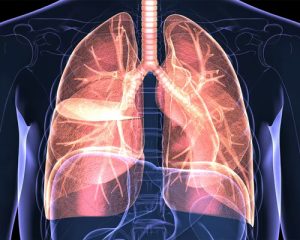 Cystic fibrosis (CF) is a long-term, inherited condition that tends to mess with the lungs, digestive system, and a few other organs in the body. It is also among the more common genetic diseases in many places around the world, and it mainly causes troubles with how the body moves, manages , mucus and other fluids. People living with cystic fibrosis usually have a gene change that leads to thick, clinging mucus piling up in areas like the lungs ,and the pancreas. Over time, this can bring on breathing challenges, a lot of repeat lung infections, plus digestive problems that can feel really stubborn.
In this article, we’re going to zoom in on cystic fibrosis, by covering what it is, what triggers it, what symptoms people might notice, and which treatments are available nowadays. We’ll do it in straightforward terms so high school students can get the main idea of this complicated disease. When you finish reading, you should have a clear and basic grasp of cystic fibrosis, understand how it shows up in everyday routines, and feel motivated to check out trustworthy health websites for even more details.
Causes
Cystic fibrosis happens because of changes, also known as mutations, in a gene called the CFTR gene. Genes are sort of the basic “instructions,” units of inheritance we get from our parents , and they guide the body on how to function properly. The CFTR gene typically makes a protein that helps manage the movement of salt and water in and out of cells. But when the gene is altered, the protein produced can’t do its job the way it should, and that’s where a lot of the problems begin.
Okay so cystic fibrosis is a genetic disease, so basically it’s carried along from parents to children, and yeah it’s not something you just pick up. In order to get the condition, a person usually has to receive two copies of the faulty gene (one from each parent). But if someone gets only one mutated gene, they’re considered a “carrier” , and most of the time they do not have any clear signs or symptoms.
Researchers have already found more than a thousand different mutations in the CFTR gene, but here’s the thing not all of them actually trigger cystic fibrosis at the same level of severity. Some of those changes can cause milder presentations, while others are more likely to bring on intense, harder symptoms. Even though the root reason is a genetic mutation, cystic fibrosis still affects daily life a lot, mainly because it interferes with different organs, especially the lungs and the digestive system.
Because of that inherited piece, families that have had cystic fibrosis before might face a higher likelihood of passing the gene alteration to the next generations. That’s why genetic counseling and testing matters so much for families who want to understand their odds, and also learn more about what the condition involves.
Symptoms
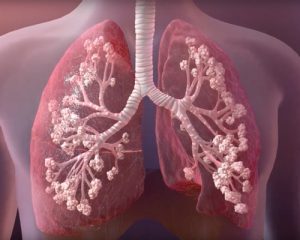 Symptoms of cystic fibrosis can look different from one person to the next but they typically start showing up in early childhood. It happens because the mucus becomes thick and sticky, and it can clog the air passages in the lungs, which then makes it easier for bacteria to settle in and cause infections. Typical symptoms include ongoing coughing, wheezing, and trouble breathing. Over time, repeated infections , plus gradual lung injury can turn into serious complications.
Besides lung issues cystic fibrosis also reaches into the digestive system, kind of indirectly but still very much. The mucus can clog the pancreatic ducts, which stops digestive enzymes from getting to the intestines, and then food doesn’t really get broken down the way it should. When that happens, malnutrition becomes more likely, along with sluggish weight gain, and there is also a term steatorrhea, where the stool ends up bulky, oily , and noticeably foul smelling , because fat isn’t being digested properly.
There are other cystic fibrosis signs that people often talk about too, not the same for everyone, like
- Salty tasting skin: some parents notice that their baby’s skin tastes salty, because the sweat contains extra salt.
- Lung infections: recurrent lung infections that may need antibiotic care more than once.
- Breathing trouble: mucus build up can make breathing feel harder, even during everyday movement or physical play.
- Digestive problems: things such as stomach pain, constipation, or frequent gas, tied to pancreatic insufficiency.
- Sinus infections: a higher risk of long lasting sinus trouble, and repeated infections there.
How cystic fibrosis progresses can look really different from person to person. For some individuals the difficulties show up hard early, and for others the issues stay gentler at first, then advance more slowly. With better medicine and earlier diagnosis, many people are now able to handle the symptoms more effectively, and they still can end up living meaningful lives without it taking over everything.
Treatments
While there is no cure for cystic fibrosis at the moment, there are many treatments that help people manage the symptoms and, honestly, keep their day-to-day life more tolerable. Medical experts usually rely on a mix of different therapies because doing only one thing rarely covers everything. Treatment plans are commonly worked out for each person, depending on how severe their symptoms are, and how their lungs and gut are reacting over time.
One of the more typical routes for managing cystic fibrosis is airway clearance therapy. The goal here is pretty straightforward, help loosen and clear the dense mucus that builds up in the lungs. This can involve chest physiotherapy, and also mechanical devices, like high-frequency chest wall oscillation vests, plus more routine techniques such as postural drainage, which some people find especially helpful.
Medication is also a big part of care. Depending on the case, doctors may use several types of medicines such as:
- Antibiotics: Given to treat or prevent lung infections, antibiotics are often taken in cycles, so the bacteria stays under control.
- Mucolytics: These drugs help thin the mucus, so it becomes easier to clear from the lungs, rather than staying sticky and stubborn.
- Anti-inflammatory drugs: These can lower swelling and inflammation in the lungs, reducing ongoing damage as time goes on.
- Pancreatic enzymes: Because cystic fibrosis can interfere with the release of digestive enzymes, patients may use enzyme supplements to help break down food and improve nutrient absorption.
Recently, there have been breakthrough treatments that zero in on the protein made by the CFTR gene. You might hear these medications called CFTR modulators, and yes they’re made specifically to assist the defective CFTR protein, in a kind of targeted way. Of course they aren’t a cure for everyone, and not every patient can use them since they depend on certain mutations. Still, the results people report are pretty encouraging, like better lung function and a noticeable lift in overall quality of life.
Sometimes, though, cystic fibrosis can progress in a serious direction, and in the most severe situations patients may end up needing extra procedures. Lung transplants are one example when lung damage becomes too much to handle, medically speaking. Even so, with early diagnosis, plus a lot of treatment progress over the years, many people are living longer, and often with a better baseline health, without reaching those extreme steps.
Treatment also includes nutritional support, which can be huge. Since CF can make digestion and nutrient absorption harder, doctors often recommend a high calorie diet along with added vitamins and minerals. A dietitian can help map out meal plans that keep energy up and also support general body health. In other words, food becomes part of the therapy, not just background lifestyle.
Physical movement is typically encouraged too. Regular exercise helps build stronger muscles, supports lung capacity, and keeps overall fitness steady. When exercise is paired with the other treatment tools, it can also help reduce mucus build-up and improve circulation across the body, more or less like a helpful double effect.
And then there’s the psychosocial side, which matters more than people sometimes expect. Living with a chronic condition like cystic fibrosis can wear on someone, emotionally and mentally. Many patients benefit from counseling, support groups, or therapy sessions to handle stress, worry, and all those tougher feelings that can pop up. Building a strong network—family, friends, and healthcare professionals working together—tends to be crucial for emotional well-being, and it can make day to day life feel more manageable, even when things are not easy.
Overall, managing cystic fibrosis sort of means you need a full treatment plan, and it usually involves a bunch of different healthcare specialists . Over the last few decades, new approaches to care have really changed what people can expect, and the constant studies going on now keep giving patients and families this cautious hope, for therapies that will work even better later on.
How Cystic Fibrosis Affects Daily Life
Living with cystic fibrosis can make regular stuff feel harder than it might feel for someone without CF . For example, individuals with CF have to do airway clearance techniques on a routine basis, so that mucus doesn’t accumulate, and honestly that can take up a big chunk of the day. A typical schedule may not only include these hands on physical therapies , but also juggling several medications and going to frequent medical visits.
Because chronic lung and breathing problems are often involved, daily life can require extra caution during physical activities. Exercise is usually encouraged, however it has to be balanced with pauses and an awareness that pushing too far could bring fatigue , or make breathing issues worse. School and social life may also shift, since some students might need to miss classes or other activities because of symptoms or health fluctuations.
Still, even with all of this, a lot of people with cystic fibrosis live in a way that is active and genuinely meaningful. Today’s medical options help many patients keep up with education, hobbies, and even careers, while still staying on top of their care . With decent planning, and steady support from family, friends, and school staff, students with CF can often take part in most parts of life, more than outsiders might assume.
Also, lots of folks who have cystic fibrosis end up becoming pretty strong advocates for awareness, about the condition. They join neighborhood gatherings, run fundraisers, or sit in support groups that are trying to push better research funding, and also better public understanding of this disease.
Conclusion
Cystic fibrosis is a complicated genetic condition that mainly targets the lungs and the digestive system. Even though the cause is a mutation in the CFTR gene, and symptoms like thick mucus buildup, frequent lung infections, and digestive troubles can really mess with everyday life, modern medicine has helped a lot and the overall outlook for patients is much better than before.
Treatments like airway clearance therapy, antibiotics, mucolytics, CFTR modulators, and nutritional support have changed the way cystic fibrosis is managed over the years. Beyond those methods, psychosocial support along with lifestyle adjustments are still a huge part, because they help individuals with CF stay engaged and live in a productive, kind of meaningful way.
For high school students studying biology, health sciences, or honestly anyone curious about genetic diseases, cystic fibrosis feels like a real-world example of how one genetic alteration can create wide effects across the human body. And since research keeps moving ahead and new therapies keep coming, there’s hope the hardest parts for patients can shrink, and the prognosis will keep improving.
If you want to learn more about cystic fibrosis , it’s a pretty good idea to look at trustworthy health resources like the ones from the Cystic Fibrosis Foundation, the National Institutes of Health (NIH), or other academic and medical groups. When you understand the science behind it, you can kind of see, more clearly, what the day to day really means,and why continued investigation and better medical tools matter so much.
So, all in all, even though cystic fibrosis is a lifelong condition that usually means a mix of medical care, nutritional support,and psychological help, many people are able to cope with their symptoms better today. The progress in treatments, plus practical daily care , has helped individuals stay engaged with life, not just manage symptoms. And with research moving forward, and more awareness in general, there’s genuine optimism about what comes next.
Learning about cystic fibrosis doesn’t only explain the effects of inherited genetic disorders. It also encourages support for medical research and more humane care. Keep educating yourself, and share what you learn with others, and you help shape a brighter future for everyone who is dealing with this condition.