Know All About Robotic Knee Replacement Surgery
May 11, 2026 by adminIntroduction
 Knee replacement surgery performed with the help of a robotic arm is a revolution in orthopedic treatment, allowing patients to choose between different types of knee surgeries using precise and less invasive methods. The goal of this complete guide is to support orthopedic patients in their decision-making process by providing them with very detailed information about robotic knee replacement surgery, about what we can expect during the procedure, and about the potential advantages and risks. If you are even considering this modern way of treatment or just want to know more about the aftercare and the results, we will try to break this difficult process down for you to digest easily.
The application of robotics in knee surgery indicates the beginning of a new era in the field of surgery where the patient is the center of both the selection of the suitable procedure and the accuracy of it. The use of a computer-controlled system and delicate tools lets the surgeon to execute the surgery in a way that the precision of the alignment and the position of the implant is better than before. For people who have suffered from chronic knee pain or been partly immobile because of knee problems, robotic-assisted surgery can be a life-changing option that eventually leads to better living standards.
We will delve into the procedure step by step, cover the main advantages and risks, outline the recovery period, and share the anticipated post-surgical results. By the time you finish reading, you will have the necessary knowledge to confidently choose among the treatment options. Keep in mind that no two patients are alike, and this guide is just a source of information – always seek your orthopedic doctor’s opinion on the best treatment for your particular case.
Procedure Overview
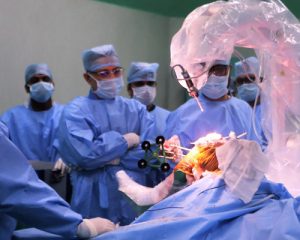 Robotic knee replacement surgery is a cutting-edge technology that performs joint replacement procedures with the help of precision-enhancing robotic systems. The operation is initially a detailed preoperative planning process where CT scans or MRIs, and other advanced imaging techniques join forces to produce a 3D model of the patient’s knee. This model, made specifically for the patient, enables the surgeon to execute the replacement operation with incredible precision.
The robotic system is integrated with the surgeon during the operation. The system gives proper feedback and guiding along with the real-time input; hence, the position of the knee implant is correct, and the alignment is at its best. The surgeon is always in complete command of the process, but the precision of the robotic arm leads to the same outcome. This combined method reduces the probability of human error and develops a more polished surgical technique, consequently, it is particularly advantageous in the case that one is doing less invasive surgery.
Among other things, the robotic system performs bone preparation and makes accurately the cuts in the affected areas. Thanks to the accuracy enhancement, the extent of soft tissue manipulation is lessened, consequently, the patient experiences less postoperative pain and quicker recovery. In general, the surgical strategy is designed to achieve the greatest function and the least disruption of the related tissues.
Robotic knee replacement surgery is normally done with general anesthesia or spinal anesthesia, and the whole process usually takes about one to two hours, depending on how complicated your case is. Robotic assistance has huge rewards but still cannot be the choice for all of the patients. Things like joint damage severity, patient’s health status, and bone quality will be factors that are taken into account when deciding whether someone can have the procedure done with a robot.
Benefits and Risks
Benefits
Knee replacement surgery with the help of robots offers the surgeon some advantages that he wouldn’t have with the traditional methods. Among these are the following:
- Enhanced Precision: The robotic system is guided by real-time imaging and computer-aided design so that it can perfectly align the implant. This helps to ensure that after the surgery, the knee joint works as naturally as it could possibly.
- Minimally Invasive Surgery: In general, robotic assistance surgeries require smaller incisions. With small cuts, there will be less physical trauma to the tissues, postoperative pain will be less and there will be a lower chance of infection.
- Personalized Treatment: The patient’s individual anatomy can be accommodated through the extensive preoperative imaging and planning process. This approach to personalized care can enhance the fit and function of the knee implant.
- Faster Recovery: Due to the issue of soft tissues not being disrupted as much, the patients that have undergone robotic-assisted surgery might require a shorter recovery time in comparison to the traditional method. They report having mobility early on and hence, a quicker return to normal life activities.
- Reduced Postoperative Pain: The robotic system’s accuracy significantly contributes to the reduction of bone and tissue damage that is not medically necessary, leading to mild postoperative discomfort and consequently fewer pain relievers.
- Decreased Revision Rates: Research findings suggest that the better the accuracy in implant positioning, the lesser the chance of complications and the less the need for revision surgeries.
Risks
Up to now, robotic knee replacement surgery has been a procedure that carries risks, just like any other surgical operation. It is crucial to know about these possible complications so that you can consider them against the advantages:
- Infection: The risk of infection, which may lead to extra treatment or even surgery, is present though the procedure is performed in a minimally invasive way.
- Blood Clots: Surgery raises the tendency of blood clots forming either in the legs or lungs. Taking preventive measures like administering medications and getting the patient up and moving sooner is quite common.
- Implant Issues: Complications like loosening, wearing, or misalignment of the implant may still occur even with the high precision of robotic assistance, possibly leading to revision surgery.
- Nerve or Blood Vessel Damage: Although it is quite infrequent, there is still a possibility that the nerves or blood vessels that are located very close to the knee get accidentally damaged during the operation.
- Persistent Pain: In some patients, the pain may still be present even after the initial recovery period, which may necessitate further management or therapeutic interventions.
- Technical Malfunctions: The possibility of malfunctions with the robotic system is very low, but still exists, just like with any other advanced technology. In any case, the surgical team that is experienced will be ready to tackle these challenges, if they come up.
You should have the discussion about these risks with your orthopedic specialist, who is able to give a personalized risk assessment according to your health status, activity level, and specific knee problem. It is very important to be aware of the complications where you have the improvement in precision as one of the factors.
Recovery Timeline
The whole recovery time after knee replacement surgery is coming from robotic procedure and results in surgery. Although the recovery time for each person is different, getting to know the general timeline will help you get ready step by step.
Immediately After Surgery
You will be transferred to a recovery room in the first hours after surgery, where your vital signs will be monitored closely. Pain management is an important aspect of this phase, and you will be given medications to keep you comfortable.
The first 24 hours may see you starting to move a little with the help of the physical therapists. The early mobilization is extremely important as it helps the circulation and it makes the complications like blood clots less likely.
Hospital Stay
The duration of your stay in the hospital is totally dependant on your health and the nature of the surgery. In most cases, patients are hospitalized for one to three days. During this interval healthcare personnel will support you in starting a light rehabilitation plan and will give you thorough directions about your recovery at home.
First Few Weeks After Surgery
Typically, the first phase of rehabilitation lasts four to six weeks. Throughout the period, you will be undergoing physical therapy sessions that focus on rebuilding the strength and mobility of your knee. The rehabilitation exercises may involve activities to improve the range of motion, gentle strengthening exercises, and balance training, among others.
Your surgeon’s advice should be strictly followed, as the first phase of recovery is essential for the long-term success foundation to be built. The advantage of a minimally invasive operation is that most patients report less pain and stiffness in this period than in traditional knee replacement surgeries.
Ongoing Recovery and Long-Term Outlook
Improvements in the movement and pain-free area can be noticed during the first two months, but for some patients, full recovery from robotic-assisted knee surgery can take up to six months or even more. Moving on with physiotherapy, performing assigned exercises regularly, and slowly going back to everyday living will all help to get the best results.
At this time, you are allowed to do light activities like walking, cycling, or swimming. You have to wait for your orthopedic doctor to give you the go-ahead before engaging in high-impact sports again. Visiting the doctor regularly will not only confirm that your knee is recovering as planned but also that any possible problems have been managed in time.
The implementation of a proactive method on rehabilitation will result in the shortening of the recovery period in addition to the improvement of the surgery’s overall desire. It is worth noting that every recovery path is unique, and the virtue of patience is necessary for you to regain the knee’s strength and mobility.
Expected Outcomes
The primary purpose of robotic knee replacement surgery is to eliminate pain, regain mobility, and enhance the overall life quality. When done by a skilled surgical team and combined with a structured rehabilitation program, the results of robotic knee replacement can be very positive.
Pain relief is often reported by patients already in the first weeks after surgery to be significant. The accuracy of the robotic system usually results in the better alignment and positioning of the implants which in turn leads to joint stability and function being improved. Therefore, a considerable amount of people can see a significant rise in their performance of daily activities like walking, climbing stairs, and doing light exercises.
One more advantage of minimally invasive surgery techniques is less damage to the adjacent tissues. This is likely to cause reduction in the number of scars, the risks of infection, and the overall enhancement of the knee function. A lot of patients find the increase in the precision makes it easier to get a more natural movement of the joint, thus facilitating quicker return to everyday life.
Having realistic expectations about the results of any knee replacement surgery is crucial. Robotic knee replacement surgery, in spite of its many advantages, still carries some risks like any other surgical procedure. A few patients might go through occasional pain which is mostly mild, or somewhat limited movement that may need additional treatments or prolonged physiotherapy.
According to long-term outcome research, the knee implants’ lifespan in robotic placement is comparable to that of traditional surgery, going along with the positive perception. Your orthopedic doctor should be a part of your life in a way that you always have consultations, as they will not only help you monitor the condition of your new knee but also solve any issues that might pop up in the long run.
Conclusion
Robotic knee replacement surgery is an innovative technology that not only replaces the traditional method but also enhances the patients’ experience and results in the orthopedic area significantly. By using a skilled surgeon with the aid of imaging and real-time surgical guidance, it becomes possible to customize the procedure to fit your anatomy, leading to the best possible implant position, less pain after surgery, and quicker healing times.
Even though the advantages of robotic knee replacement are enormous, one must still consider the risks and difficulties that come along with every surgical intervention. It is necessary to have an informed conversation with your orthopedic surgeon to learn how your particular situation, health condition, and way of life will affect the results of the operation.
The recovery period is a very important part of the journey, and following a properly planned rehabilitation program is the most important factor for the best possible result. Many patients, after robotic knee replacement surgery, regain their active and meaningful lives, thanks to minor progress, proper pain control, and committed physiotherapy.
If you are considering different treatments for knee pain or are thinking about knee replacement surgery, we would like to invite you to find out more about the advantages of robotic knee replacement for you. This novel technique not only focuses on accuracy and safety for the patient but also improves the overall surgical results and the health of the joint in the long run.
We really hope that this all-encompassing manual has given you very useful information about robotic knee replacement surgery, and has made procedure, benefits, risks, recovery process, and expected outcomes clear and patient-friendly.
Do you want to improve your quality of life? What if you book an appointment with your orthopedic doctor right away to talk about your particular situation and find out together the ways that robotic knee surgery can provide you with better movement and go on with the less pain in your knees?