Life expectancy for patients with multiple Myeloma
May 15, 2026 by adminReceiving a diagnosis of multiple myeloma can feel overwhelming. It is natural to have many questions about the future, particularly regarding life expectancy. This guide is designed to help you understand the statistical information about life expectancy in multiple myeloma while providing compassionate insights. We encourage you to discuss your personal prognosis and treatment options with your healthcare provider, as they can provide guidance tailored to your unique situation.
Introduction
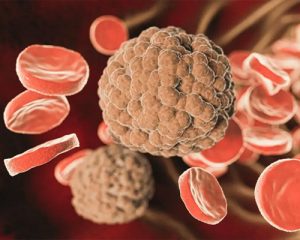 Multiple myeloma is a type of cancer that affects plasma cells, an important part of the immune system. Over the past several decades, substantial improvements in treatments have led to better overall outcomes for many patients. Although statistics and numbers can sometimes seem daunting, it is important to remember that they are based on large patient groups and may not fully reflect your specific circumstances.
This guide will help you understand what life expectancy statistics mean, outline factors that influence these statistics, and offer tips for staying hopeful and proactive about your care. Our goal is to provide you with clear and accessible information so that you feel informed and supported from your diagnosis onward.
What Do Life Expectancy Statistics Mean?
Life expectancy statistics in multiple myeloma are gathered from large studies involving many patients. Researchers calculate averages or median survival times—commonly expressed in years—based on current treatment methods. It is important to know that these figures represent group averages rather than predetermined outcomes for any individual patient.
For instance, some studies suggest that the median survival time for multiple myeloma patients can vary widely. In some cases, patients have experienced median survival times ranging from 5 to 10 years or even longer with modern treatments. However, the wide range indicates that many factors can influence these outcomes, and some patients may live well beyond average expectations. The numbers serve as one piece of information among many in understanding your journey.
Factors That Influence Life Expectancy
Several factors come into play when determining the prognosis for someone with multiple myeloma. Here are some of the key influences:
Your Age and Overall Health
Age and overall health are important considerations. Younger patients or those in good overall health tend to respond better to treatments and may experience longer survival times compared to older patients or those with other serious health conditions. Your doctor will consider all aspects of your health when recommending treatment plans.
Stage and Severity of the Disease
Like many cancers, the stage at which multiple myeloma is diagnosed can impact prognosis. Earlier detection can sometimes lead to more effective treatment. When the disease is detected before significant complications occur, patients may have better outcomes with timely and targeted therapies.
Treatment Options and Advances
There have been substantial improvements in multiple myeloma treatments over recent years. Options such as chemotherapy, targeted therapies, immunotherapy, and sometimes stem cell transplants have all contributed to better survival rates. Clinical trials and emerging treatments mean that the landscape of multiple myeloma care is continually evolving, offering new hope for improved outcomes.
Genetic and Biological Factors
Genetic variations in the cancer cells can also influence how aggressive the disease is and how well a patient might respond to certain treatments. Some patients may have a type of multiple myeloma that responds better to specific therapies, which can notably impact life expectancy. Genetic testing can help doctors tailor the most effective treatment plans.
Response to Treatment
Individual variations in how a patient responds to treatment can significantly affect life expectancy. Some individuals may have a dramatic positive response to therapy, while others might experience more challenges. Discussing your treatment response with your healthcare team can help you understand the progress and any adjustments needed in your care plan.
Statistical Insights and What They Mean for You
When we mention that some studies suggest a median survival time of 5 to 10 years, it is important to remember several key points:
- Statistics are not Predictions: These numbers reflect outcomes across many patients over time. Your individual experience may be very different based on how you respond to treatment, your overall health, and other factors.
- The Median is Just a Number: The median means that half of the study participants lived longer than the stated number and half did not. Many patients exceed the median outcome due to advances in therapy and personalized treatment approaches.
- Continuous Improvement: As research progresses, survival rates for multiple myeloma are generally improving. New medications and treatment protocols are contributing to longer life expectancies even for those diagnosed more recently.
Understanding these points can help put the statistics into perspective. They are meant to serve as a guideline rather than a firm prediction. Maintaining open communication with your oncologist will help you understand what these numbers mean for you specifically.
Managing Concerns and Focusing on Quality of Life
The conversation around life expectancy often brings concerns about quality of life. It is completely valid to wish not only for a longer life but for a better one—a life filled with fulfilling moments and valuable experiences. Here are some strategies to help maintain and improve quality of life:
Staying Informed and Involved
Knowledge is power. Ask questions about your diagnosis, treatment options, and what to expect during your healthcare journey. Being actively involved in your treatment plan can help you feel empowered and reduce uncertainties about the future.
Emotional and Mental Wellbeing
It is completely normal to feel a range of emotions after a diagnosis. Making time for mental health, whether through support groups, counseling, or talking with family and friends, can have a significant positive impact. Many patients find comfort in connecting with others who share similar experiences.
Developing a Healthy Lifestyle
Adopting a balanced diet, engaging in gentle physical activity approved by your doctor, and prioritizing rest can improve overall wellbeing and potentially enhance your ability to cope with treatment. Small steps like these contribute not only to physical health but also to mental resilience.
Exploring Complementary Therapies
Many patients benefit from complementary therapies such as meditation, yoga, art therapy, or acupuncture. These therapies can reduce stress, relieve pain, and improve overall quality of life while you undergo conventional treatment. Always consult with your healthcare provider when considering additional therapies.
The Importance of Personalized Prognosis Discussions
While this guide offers general information about life expectancy and influencing factors, the most valuable insights will come from your personal discussions with your healthcare team. Every patient’s situation is unique, and your doctors can provide you with individualized predictions based on:
- Your overall health and any additional conditions
- The specifics of your disease, including genetic markers and stage at diagnosis
- The response you have to various treatment protocols
- Your personal treatment goals and preferences
It is beneficial to schedule regular appointments and maintain open lines of communication with your healthcare providers. This proactive approach will help you stay informed about your prognosis and build a care plan that aligns with your life goals.
Hope for the Future
Even when faced with challenges, hope is a powerful tool. The field of oncology is advancing every day, and treatments for multiple myeloma continue to evolve. Many patients are experiencing longer and more fulfilling lives thanks to these improvements. Here are some hopeful perspectives to keep in mind:
- Ongoing Research: Continuous research brings new treatment options and innovative approaches, frequently resulting in better outcomes. Clinical trials offer access to therapies that might otherwise be unavailable.
- Improved Treatments: The development of novel drugs and targeted therapies has significantly improved survival rates, allowing patients to enjoy long-term disease management.
- Personalized Medicine: Advances in genetic testing and precision medicine mean that treatments are increasingly tailored to individual patient needs, offering more effective management of the disease.
Each new discovery in medical research raises the possibility of further extending life expectancy and enhancing quality of life. This optimistic outlook is part of the reason why many patients continue to experience improved outcomes.
Practical Tips for Navigating Your Journey
As you embark on this journey, here are some practical tips that might help you maintain a hopeful and proactive approach:
Keep a Health Journal
Documenting your treatment, side effects, mood, and overall progress can help you detect patterns, notice improvements, and provide valuable information when discussing your care with your medical team.
Join Support Groups
Connecting with others who have been through similar experiences can offer emotional support, practical advice, and a sense of community. Both in-person and online support groups can be invaluable resources.
Set Realistic and Personal Goals
Goals don’t have to be monumental; they can be as simple as spending time with loved ones, pursuing a hobby, or learning something new. Setting achievable goals can contribute to feelings of satisfaction and a sense of purpose during treatment.
Stay Positive but Realistic
It is important to strike a balance between optimism and realism. Acknowledge your feelings, celebrate the small victories, and stay engaged in your treatment process. Your attitude can become a significant part of your healing journey.
Remember, it is perfectly normal to have days when you feel unsure or down. Combining a proactive mindset with support from loved ones and healthcare professionals can help you navigate these moments.
Conclusion
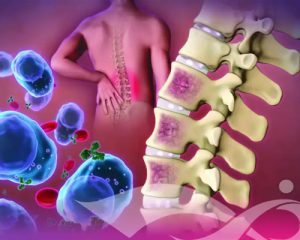 Understanding life expectancy statistics for multiple myeloma can be challenging, but it’s important to view these numbers within the context of broader factors such as overall health, treatment response, and ongoing medical advancements. While statistics provide valuable insights, they are only one part of the story of your journey with multiple myeloma.
This guide has explored the various factors influencing life expectancy, the meaning behind statistical data, and practical steps you can take to maintain a high quality of life. By staying informed, engaging with your healthcare team, and focusing on both physical and emotional wellbeing, you can take control of your journey forward.
It is essential to have ongoing discussions with your healthcare providers to gain a personalized understanding of your prognosis and to explore the best treatment options tailored for you. Each patient’s situation is unique, and the progress in medical research continues to offer hope and improved outcomes for many.
We hope this guide offers clarity, comfort, and strength as you navigate the complexities of multiple myeloma. Remember that you are not alone on this journey. There is a community ready to support you, and continued advances in treatment mean that the future holds promise. Please reach out to your medical team with any concerns or questions, and take comfort in knowing that hope and dedicated care are at the forefront of your journey.